Does Car Insurance Follow the Car or the Driver?
In the U.S., coverage generally follows the car first. When you borrow or lend a vehicle, the owner's policy is usually primary and the driver's own policy may act as backup. Here is how that layering usually works.
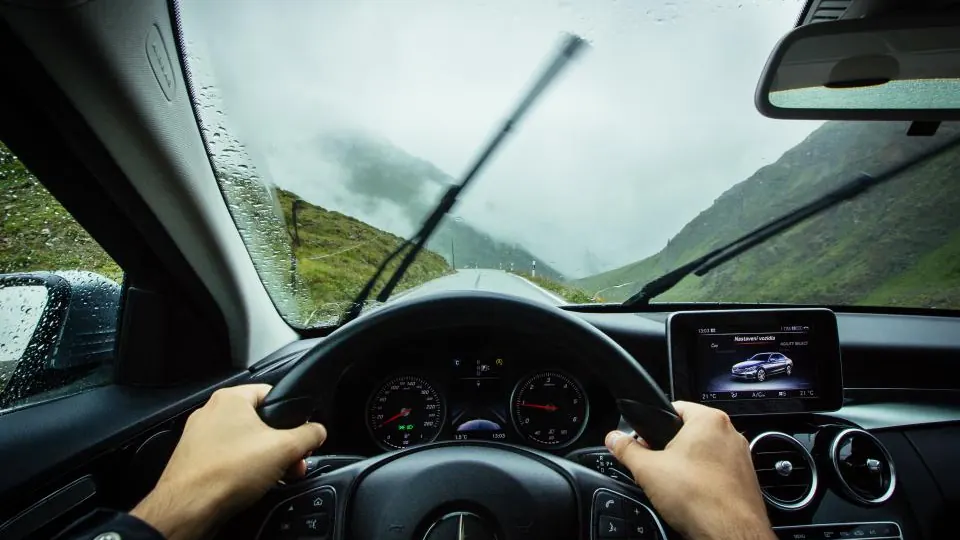
When someone borrows your car and gets into an accident, whose insurance pays? In most cases in the U.S., the general rule is that insurance follows the car. The vehicle owner's policy usually responds first, and the driver's own policy may provide additional coverage if the owner's limits run out.
Rules vary by state and by policy, so treat this as how it commonly works, not as a guarantee.
The usual order of coverage
- Owner's policy. Usually primary for liability and physical damage, if the driver had permission.
- Driver's own policy. May provide excess liability coverage if the owner's limits are exhausted.
- Driver personally. Responsible for amounts beyond available coverage.
Permissive use. Many policies cover people who drive your car with your permission, even if they're not listed on your policy. Some policies limit or exclude coverage for certain drivers, such as household members who aren't listed, or drivers you've specifically excluded.
Physical damage. Damage to your car would generally go through your collision coverage, with your deductible.
Your premium. Because your policy pays, the claim may appear on your record and could affect your premium.
When you borrow a car
If you borrow a friend's car, their policy usually comes first. Your own policy may cover you as excess for liability, depending on its terms. Physical damage to a borrowed car usually isn't covered by your policy if theirs doesn't cover it, though some policies extend coverage to non-owned vehicles.
Regular use is different
Policies often exclude or limit coverage for cars furnished or available for your regular use that you don't own. If you drive a household member's car every day, or a company car, you may need to be listed on that policy or have a named non-owner endorsement.

Rental cars
Your personal auto policy may extend to rental cars in the U.S. See rental car coverage.
Business use and rideshare
Personal auto policies often exclude or limit coverage when you drive for pay, such as rideshare or delivery. Rideshare companies provide some coverage during certain periods, and special endorsements exist to fill gaps.
Before lending your car
- Make sure the driver has a valid license.
- Check whether your policy covers permissive drivers and any exclusions.
- Consider whether your liability limits are high enough; see liability limits and umbrella insurance.
The takeaway
In most U.S. situations, coverage follows the car: the owner's policy is primary when a permitted driver has an accident, and the driver's own policy may help after that. Lending a car means lending your insurance, so check your policy's permissive-use terms first.
Keep reading

Car Total Loss Settlements: How Insurers Decide, How They Value the Car, and What You Can Challenge
When repairs cost too much relative to a car's value, insurers declare a total loss and pay actual cash value. Here is how that decision is made, how the value is calculated, and what happens if you owe more than the car is worth.
Guide, 4 min read
Condo Insurance (HO-6) and the Master Policy Gap
A condo owner's coverage starts where the association's master policy stops. Knowing which type of master policy you have, and how loss assessments work, prevents expensive surprises. Here is how the pieces fit.
Guide, 3 min read
Disability Insurance Explained: Own-Occupation, Elimination Periods, and What a Policy Really Replaces
Your ability to earn may be your largest financial asset. Here is how disability insurance works, what the key definitions mean, and why a "60% benefit" can replace far less of your paycheck than you think.
Guide, 6 min read